Night Safari
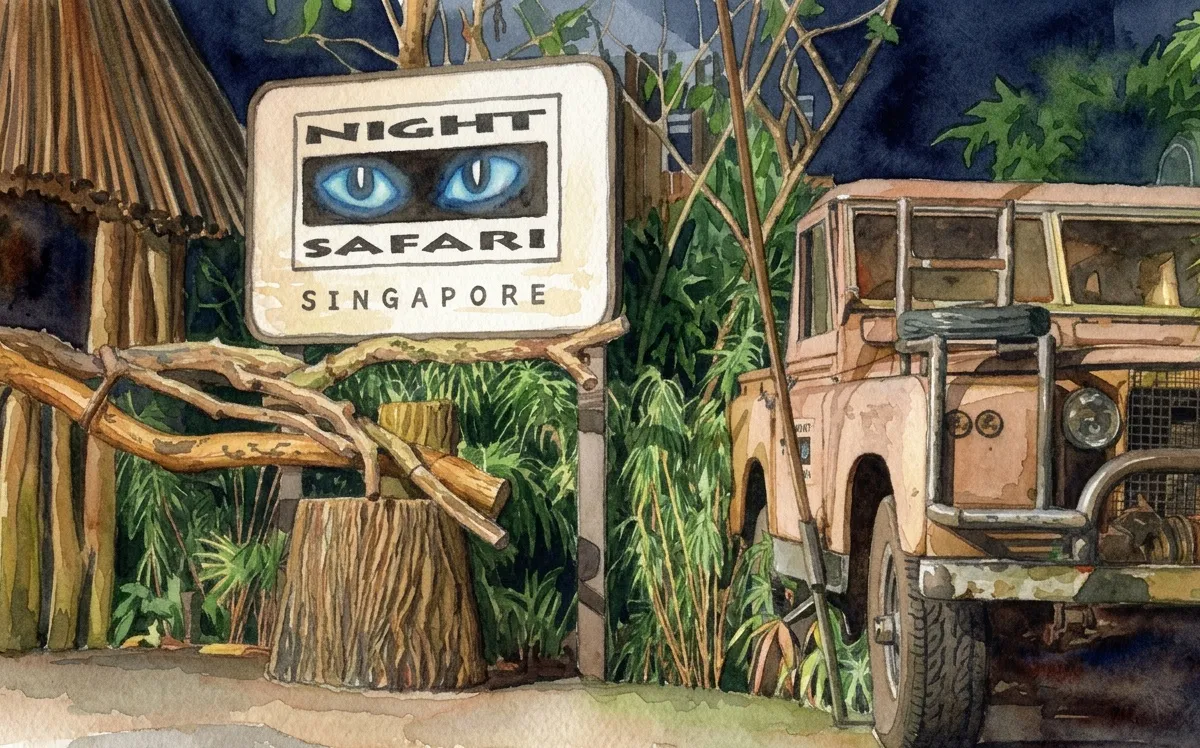
Everyone said nobody visits a zoo at night. He built the most-visited nocturnal zoo in the world.
If you grew up in Singapore, you've been to the Night Safari. School excursion. Family outing. Hosting relatives from overseas who need something to do after dinner.
Here's something most people don't know: the world's first nocturnal zoo almost didn't happen because Singapore's civil servants couldn't find a benchmark.
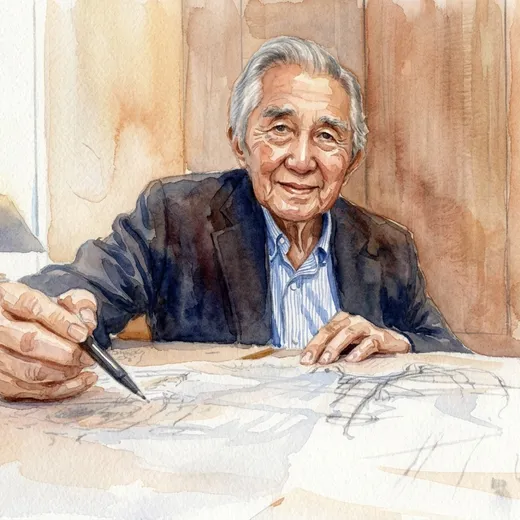
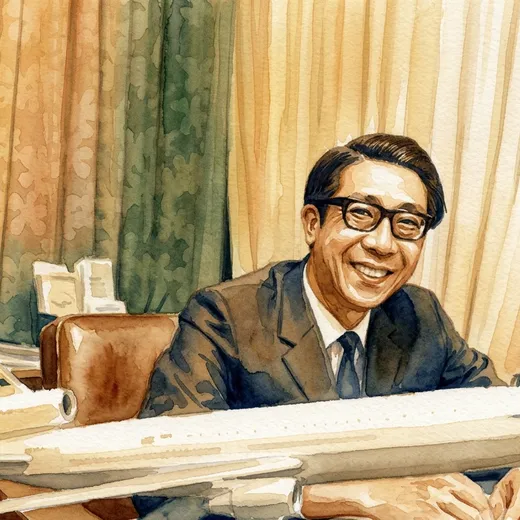
In 1988, Bernard Harrison -- the executive director of Singapore Zoo -- got a call from PUB's chief water engineer. The zoo had 100 hectares of land but was only using 40. The message was clear: use it or lose it.
So Harrison and his team started brainstorming. Dr. Ong Swee Law, the chairman, had been running experimental night tours at the zoo. The response was electric -- visitors loved seeing animals at night.
The idea took shape: a dedicated nocturnal wildlife park. Not a few night tours. An entire zoo that only opens after dark.
They brought in Lyn de Alwis, a Sri Lankan wildlife consultant who'd designed the open-concept Singapore Zoo in the 1970s. He'd observed leopards and tigers under controlled lighting in Nepal and believed a full night park could work.
Then they went to the government for S$63 million.
The answer was no.
Singapore's bureaucracy runs on precedent. "Show me where this has been done before." When the answer was "nowhere in the world," there was no incentive to approve.
The project sat for three years.
Dr. Ong finally pushed it through with a line that Harrison later described as "very un-Singaporean":
"If it's never been done before, well, let's do it."
They hired a British theatre lighting designer to solve the hardest problem: how do you let visitors see animals without disturbing them? Simon Corder designed a low-lux system that simulates moonlight. Cool blue tones. Soft enough that animals behave naturally. The darkness hides the fences and barriers, so it feels like nothing stands between you and the wildlife.
The Night Safari opened on 26 May 1994.
Management expected 180,000 visitors in the first year.
They got 760,000.
Thirty years later, it holds a Guinness World Record as the first nocturnal zoo. Over 50 million people have visited. It won the Singapore Tourism Board's Best Attraction award 13 times. The concept has been replicated in Thailand and across Asia.
Harrison once called it "probably the only uniquely Singaporean item in the Uniquely Singapore advertising campaign."
Think about that for a second.
The country that runs on benchmarks built its most iconic attraction by doing something nobody had ever done. The very thing that almost killed the project -- no precedent -- was what made it irreplaceable.
What's something in your work that almost didn't happen because "it's never been done before"?
This is the LinkedIn edit — written to fit inside 3,000 characters.