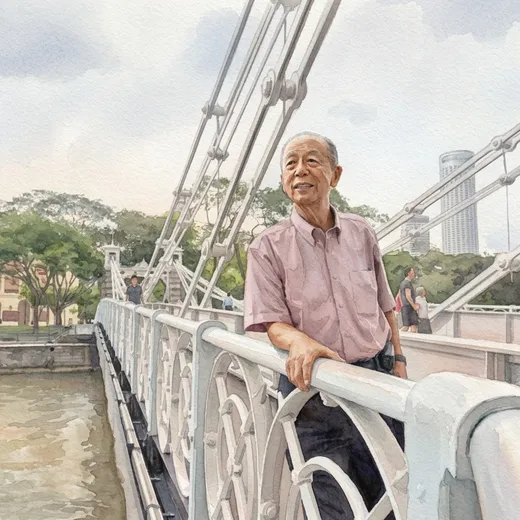
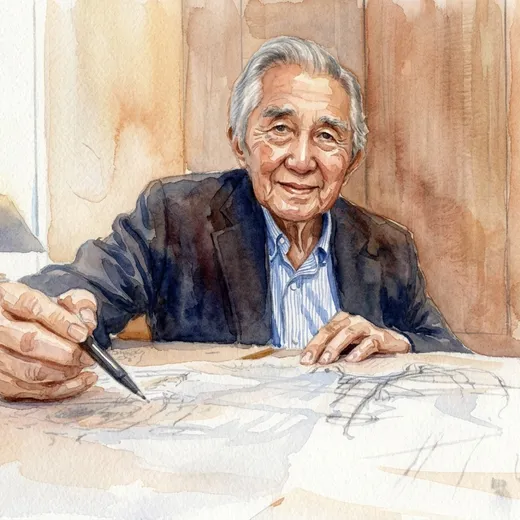
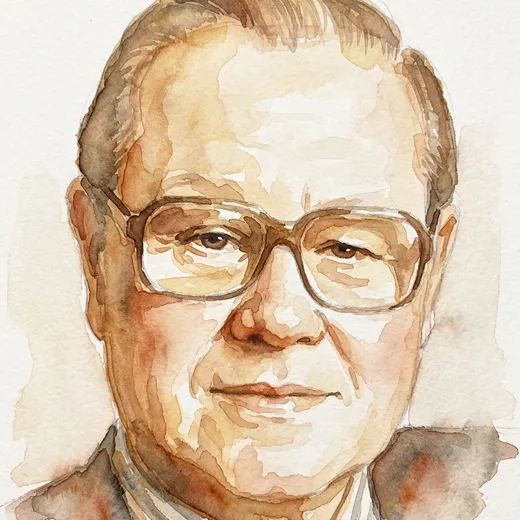
Lim Chin Beng
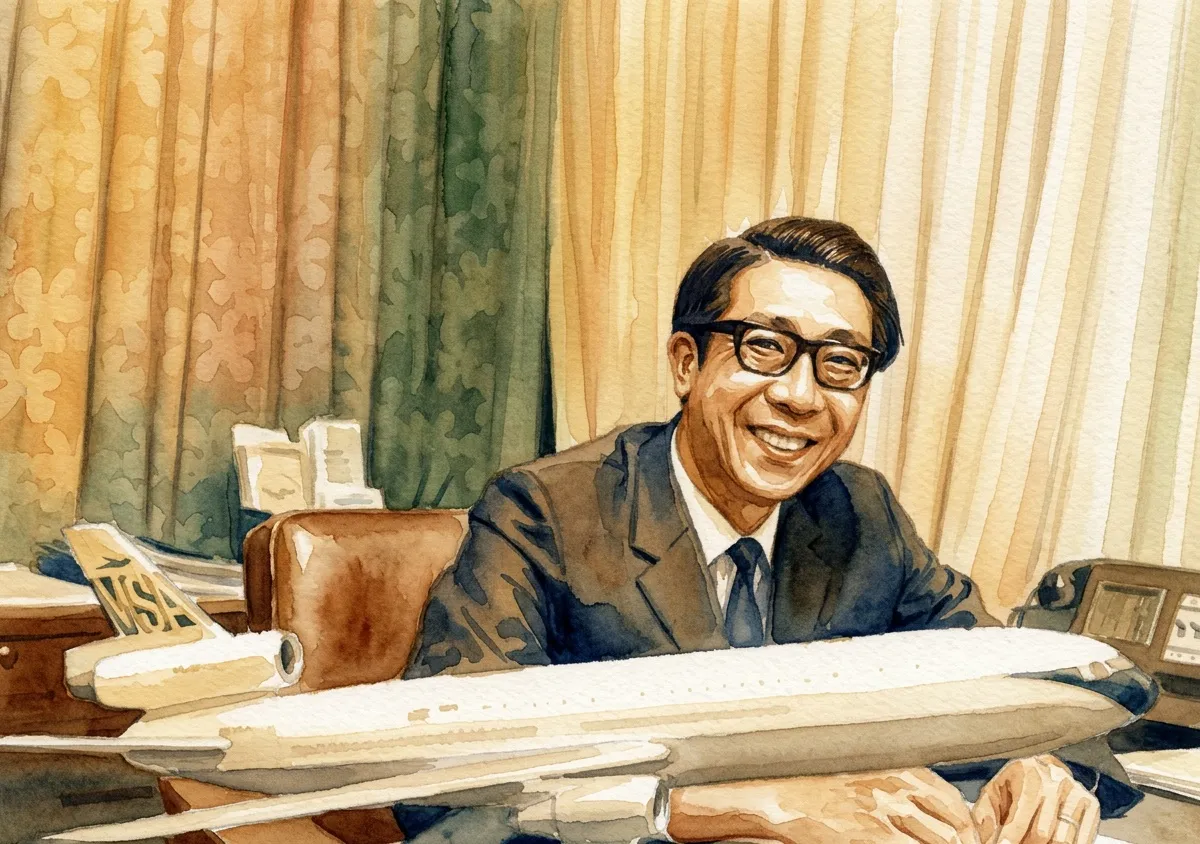
New entrants assume they have to earn their way in. The best ones find what the incumbent can't afford to lose.
After the JY Pillay post, someone left a comment.
"You still haven't told the full story. Pillay was the chairman. Who actually ran the airline?"
His name was Lim Chin Beng. Founding Managing Director of Singapore Airlines. The man who ran it for its entire first decade.
I'd never heard of him either.
Before SIA, Lim was an economist. A civil servant. Ministry of Finance, then management trainee at Malayan Airways. No aviation background. No engineering. Just someone who understood how organisations work.
In October 1972, he inherited what the Malaysia-Singapore Airlines split left behind: five Boeing 707s, five 737s, two prop planes. Twenty-two cities across 18 countries.
And Lee Kuan Yew's message at the inaugural dinner:
"I set up Singapore Airlines to make profits. If you don't make a profit, I am going to close down the airline."
Not a blessing. A deadline.
Lim made a deliberate choice about what SIA would be. No domestic market meant no need to compromise. Every decision — aircraft, food, service, hiring — would be built around one customer: the international traveller.
In the 1970s, most airlines charged passengers for headsets, meals, and drinks. Lim made them free in Economy. First airline in the world to do it. The Singapore Girl in her Pierre Balmain sarong kebaya became one of the most recognised flight attendant brands on earth.
In 1977, he put SIA on the Concorde. Only the third airline in the world to fly one, after British Airways and Air France. Each jet cost S$100 million to buy outright. He leased instead. The service launched December 9th, Singapore to London.
Three rotations in, Malaysia suspended it. Political pressure. Beyond Lim's control.
He kept going.
But none of this mattered if he couldn't get London in the first place.
Britain had blocked SIA's landing rights there for months. Negotiations went nowhere. The established carriers weren't eager to hand routes to an upstart from a seven-year-old country.
Most airline executives would have kept sending letters. Waiting. Proving themselves.
Lim served notice to terminate BOAC's agreement to land in Singapore.
Give us London. Or you lose Singapore.
Airport unions went slow on BOAC aircraft. The pressure was coordinated and deliberate.
BOAC backed down.
A civil servant economist with no aviation background had outplayed one of the world's most established airlines. Not by being stronger. By controlling something they couldn't afford to lose.
By 1976: S$16 million in profits. S$400 million in assets. Twenty jets, including five 747s.
Zero accidents. Zero fatalities. Across the entire decade.
He stepped up to Deputy Chairman in 1982. Retired from SIA in 1996. Passed away in October 2022, aged 90. Most Singaporeans had no idea who he was.
Here's the thing:
Most newcomers assume they have to earn their way in. Prove themselves first.
Lim looked at what he already controlled — Singapore's airspace — and asked a different question: what can they not operate without?
He didn't win London by matching BOAC on their terms.
He won it by making BOAC afraid of what they'd lose.
What's the leverage you already hold that you haven't used yet?
This is the LinkedIn edit — written to fit inside 3,000 characters.