S.R. Nathan
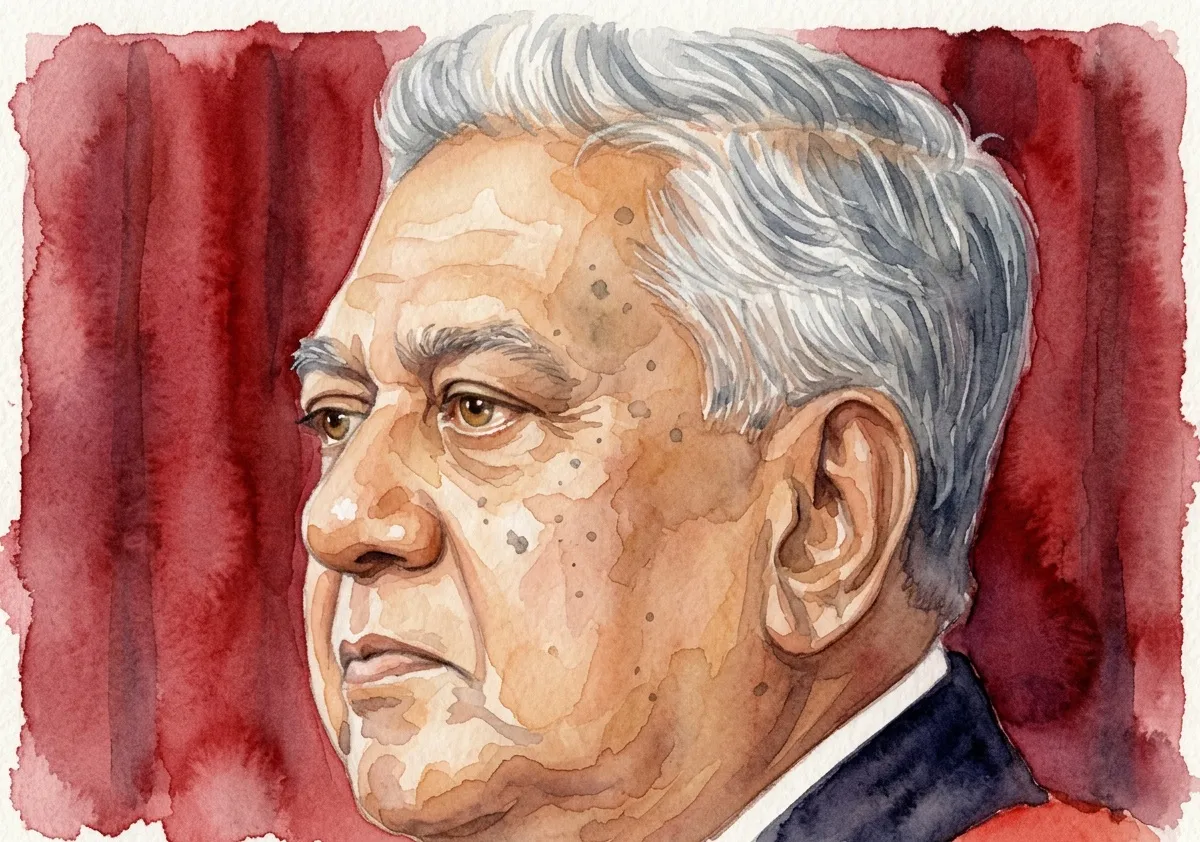
The man Singapore trusted most was once too ashamed to go home.
Most Singaporeans my age remember S.R. Nathan as the quiet president. The grandfatherly figure at National Day Parade. A bit boring, if I'm honest.
Here's what I didn't know until recently:
At nine, his father drank household disinfectant and died. The Depression had wiped out his job as a lawyer's clerk. Left behind a widow and seven children with nothing.
Nathan's mother shuttled the family between relatives' houses. They survived on charity. By 16, he'd been expelled from school twice. The second time, accused of stealing textbooks.
Too ashamed to face his mother, he ran away from home.
He slept in five-foot ways — the covered walkways outside shophouses. He begged for food. A boatman took pity on him and helped him find work as an office boy.
From there: odd jobs, night school, a Shell bursary to university. He clawed his way from social worker to running Singapore's intelligence division.
In 1974, four armed militants — two Japanese, two Palestinian — bombed Shell's oil refinery on Pulau Bukom and hijacked a ferryboat, taking five crew hostage. Singapore was the world's third-largest oil refining centre. The country had never faced international terrorism.
Nathan, 49, was put in charge of the entire crisis.
For seven days, the navy surrounded the ferry. Two hostages jumped overboard in the dead of night and swam for it. Nathan negotiated around the clock.
The deal: militants surrender weapons, release hostages, get flown to Kuwait. But someone had to ride with them on the plane — a human guarantee that Singapore would keep its word.
Nathan got on the plane himself. Thirteen officials behind him. He thought he might never see his wife and children again. "Have faith and do your duty," he told himself.
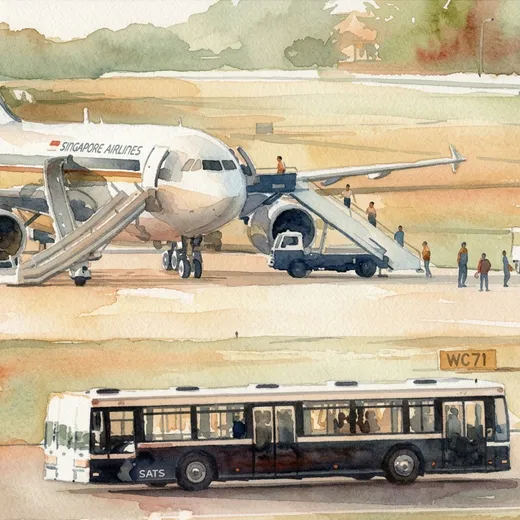
When they touched down in Kuwait, a different group of militants had just stormed the Japanese Embassy — armed standoff, diplomats held hostage. Nathan had walked out of one crisis and straight into another.
He negotiated his team's release, got all thirteen home the next day.
Zero bloodshed. Eight days.
In 1999, he became the 6th President of Singapore. Served 12 years — the only president to serve two terms. When he died in 2016, he received a state funeral.
The man Singapore trusted most was once too ashamed to go home.
Sometimes what qualifies you isn't a credential. It's everything you survived before you got there.
What's a moment that felt like failure at the time but turned out to be the thing that prepared you most?
This is the LinkedIn edit — written to fit inside 3,000 characters.