Singapore Airlines
When you can't win the primary customer, win the customer everyone else ignores.
In 1972, Singapore Airlines was born with a death sentence.
Malaysia and Singapore split their joint airline. Malaysia took the domestic routes. Singapore got... nothing.
No domestic market. A country smaller than most cities. Two million people. No captive passengers.
Every other airline in the world had a base of local flyers to fill seats. Singapore had zero.
Lee Kuan Yew told the staff at their first company dinner: "I set up Singapore Airlines to make profits. If you don't make a profit, I am going to close down the airline."
Not "I hope you succeed." Not "Do your best."
Make money or die.
The established carriers called them upstarts. Pirates. Mavericks. Britain denied them landing rights. Germany waged campaigns against them for discounted tickets.
Everyone assumed they'd fail. An airline with no home market competing against carriers with hundreds of millions of domestic passengers? Absurd.
Here's what Singapore Airlines understood that nobody else did:
They couldn't win destination passengers. So they stopped trying.
Instead, they asked a different question: What if we win the passengers everyone else treats as an inconvenience?
Transit passengers.
The people stuck between flights. The ones other airlines process like cattle — shuffle them through, get them out, move on to the real customers.
Singapore Airlines built everything around them.
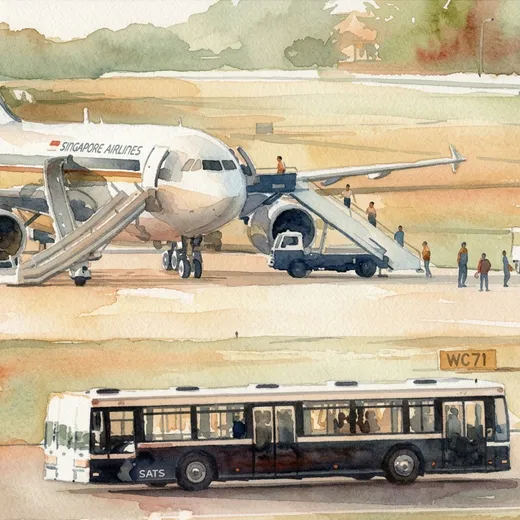
In 1981, Changi Airport opened. Not designed as a destination terminal. Designed as the world's most efficient transfer hub.
Quick connections. Seamless baggage handling. Terminals you could navigate half-asleep at 3am. Free city tours for long layovers. A transit experience so good that the airport itself became a reason to book the route.
Today, roughly 50% of Singapore Airlines passengers are transit passengers. They never enter Singapore. They just pass through.
And that's the point.
SIA didn't need people to fly TO Singapore. They needed people to fly THROUGH Singapore — between Europe and Australia, between Asia and everywhere else.
The constraint that should have killed them became the entire strategy.
While other airlines fought over destination traffic, Singapore Airlines quietly became the world's most valuable layover.
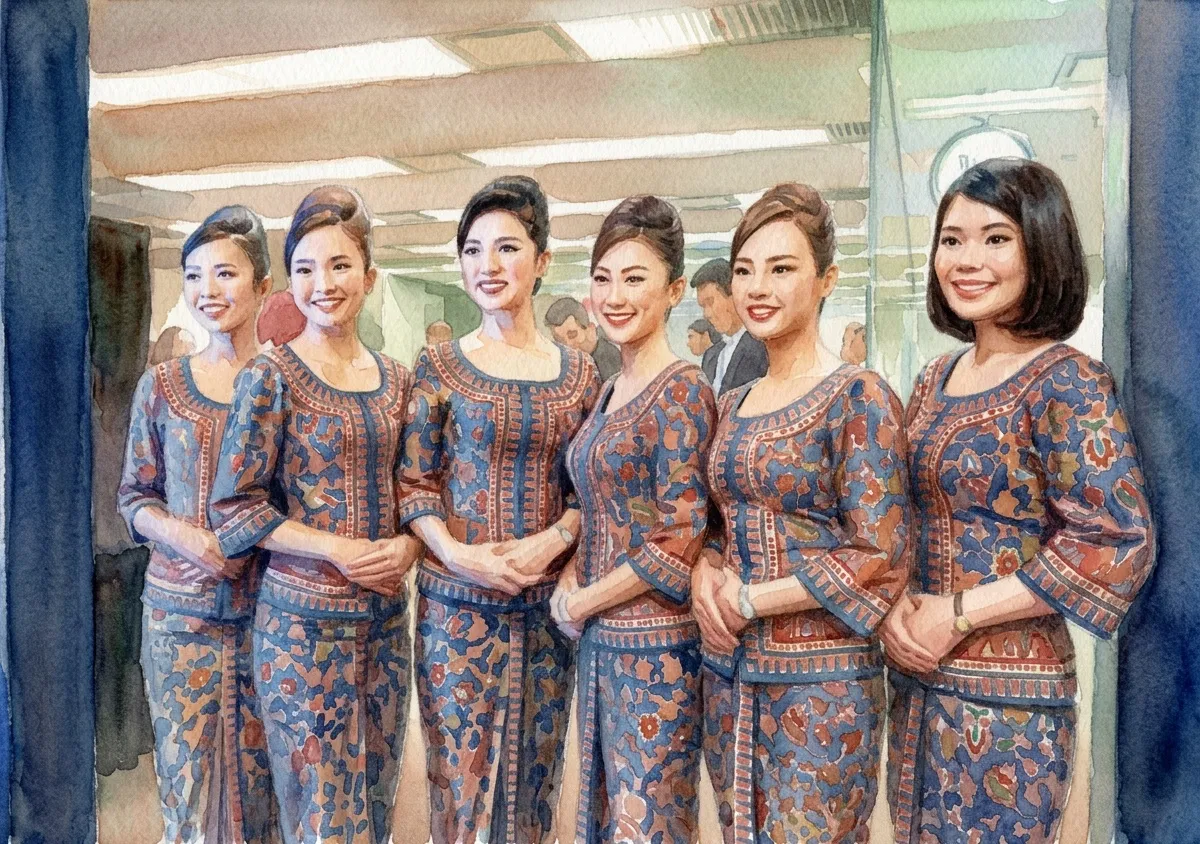
Six-time "World's Best Airline" by Skytrax. Best Cabin Staff. Best First Class. A tiny nation with no domestic routes, running one of the most awarded airlines on earth.
Here's the business lesson I keep coming back to:
Most companies fight for the primary customer. The obvious one. The one everyone's chasing.
Singapore Airlines looked at a customer segment every competitor treated as a nuisance — people just passing through — and asked: what if we were the best in the world at serving them?
They couldn't compete for the destination.
So they became the destination.
This is the LinkedIn edit — written to fit inside 3,000 characters.