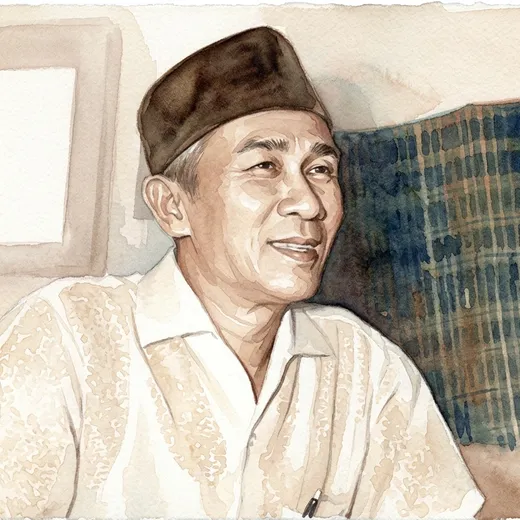
Tan Tock Seng
He arrived the same year as Sir Stamford Raffles. Raffles came with an empire. He came with vegetables. Both shaped Singapore.
He arrived the same year as Sir Stamford Raffles. Raffles came with an empire. He came with vegetables. Both shaped Singapore.
Every Singaporean knows the name Tan Tock Seng. The hospital. TTSH. You've been there, or you know someone who has.
Here's what most people don't know: the man it's named after was a 21-year-old vegetable seller from Malacca who showed up in 1819 with, as his obituary put it, "no worldly goods, his only capital being industry and economy."
Tan set up a roadside stall. Vegetables, fish, poultry. Hauled produce from the countryside, sold it to whoever would buy.
But here's what he did differently from every other Chinese merchant in early Singapore.
Most traded commodities. Pepper. Gambier. Opium. The classic import-export play.
Tan spent 8 years saving, opened a shop at Boat Quay, then partnered with a British trading firm and started buying land.
Not goods. Land.
While everyone else was moving commodities through the port, Tan was buying the ground beneath it. 50 acres at Tanjong Pagar. Stretches from the Padang to Tank Road. Shophouses. Plantations.
He saw that in a booming port city, the real wealth wasn't in what moved through it. It was in what stayed.
By 1850, his fortune reached an estimated 500,000 Spanish dollars.
But here's the part that gets me.
In 1844, cholera and smallpox were ripping through Singapore's immigrant workers. The British refused to pay for their care. People were dying in the streets.
Tan donated $7,000 to build a hospital. But not a Chinese hospital.
The inscription at the hospital reads: "For the Diseased of all countries."
An immigrant who arrived with nothing insisted his hospital serve everyone. More inclusive than the colonial government running the island.
He died in February 1850. One year after the hospital finally opened.
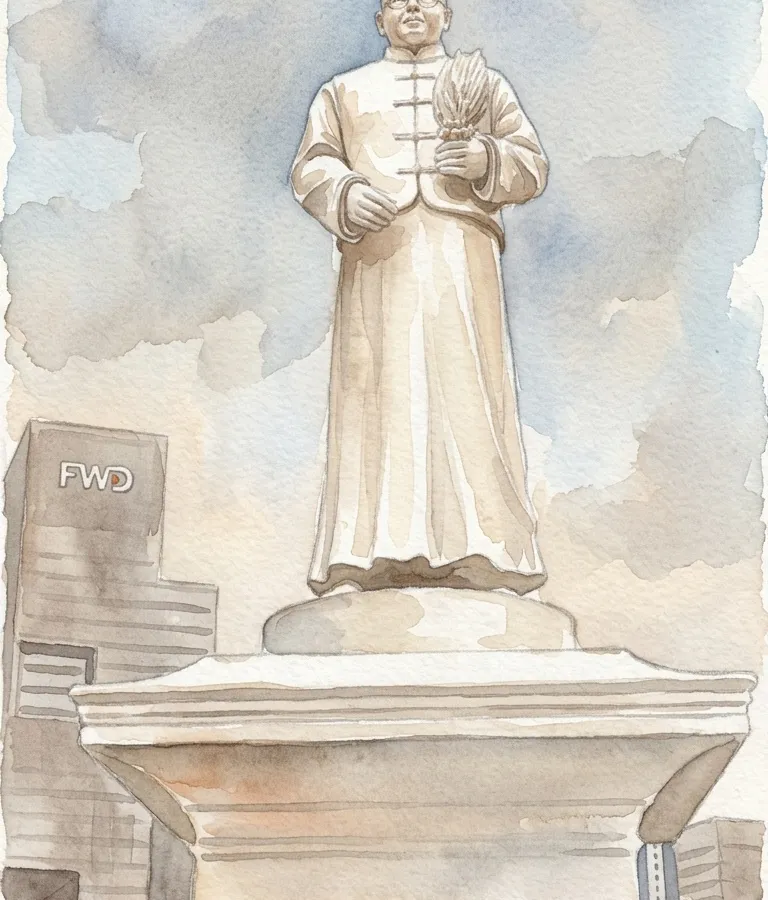
In 2019, for Singapore's Bicentennial, they placed his statue along the Singapore River. Right alongside Raffles.
Only one built something that still heals people 180 years later.
What's the most generous thing you've seen from someone who started with nothing?
This is the LinkedIn edit — written to fit inside 3,000 characters.