Li Ka-Shing
The biggest competitive edge isn't on the factory floor — it's in the magazine nobody else is reading
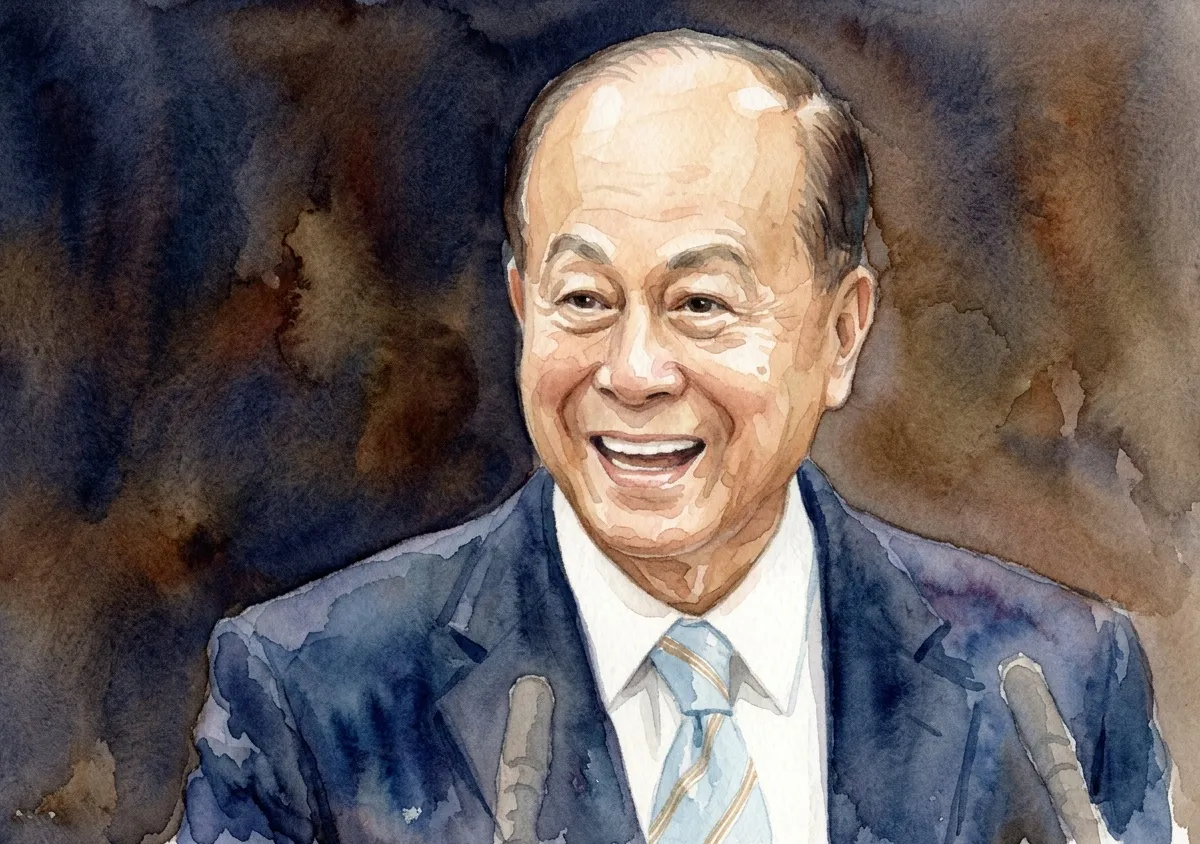
I read a story about Li Ka-Shing back in 2022. It's been stuck in my head ever since.
Not the $42 billion part. Everyone knows that.
The part about a magazine.
Li was a war refugee. Arrived in Hong Kong at 12, speaking a dialect nobody understood. Father died when he was 15. Got a job at a plastics factory, worked 16-hour days. By 22, he'd borrowed HK$50,000 and started his own workshop in Shau Kei Wan.
Here's where it gets interesting.
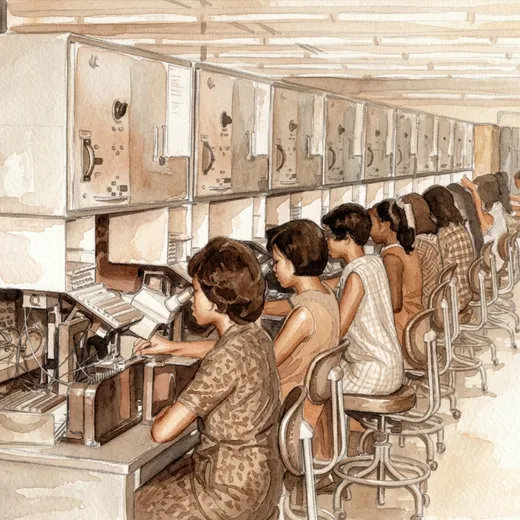
In 1950s Hong Kong, most factory owners were heads down on the production floor. Churning out plastic combs and soap boxes faster than the guy next door.
Li was doing something different. He was reading.
English-language trade magazines from America. While his competitors couldn't read — or didn't bother with — Western industry journals, Li was teaching himself English and devouring every issue he could find.
In 1957, he came across an article about an Italian company making plastic flowers with a technique nobody in Asia had seen — mixing color directly into the resin instead of painting it on. The flowers looked almost real. And they were selling like crazy in Europe and America.
Most factory owners in Hong Kong had never heard of this.
Li flew to Italy. Learned the technique. Came back and retooled his entire operation.
Within a few years, he was the "Plastic Flower King" of Asia. The Hong Kong plastic flower industry went from 1 factory in 1955 to nearly 1,000 by 1962. But Li got there first — because he read about it first.
By 1958 — one year after that article — he was buying real estate with the profits. That became Cheung Kong Holdings. Then CK Hutchison. Ports. Telecom. Energy. 50+ countries.
$42 billion. Started with a magazine article his competitors never picked up.
Here's what stays with me:
His edge wasn't working harder. Everyone in those factories worked hard. His edge was reading what no one else was reading.
One article. One trip to Italy. One technique his competitors had never heard of. And he owned an entire industry before anyone else knew it existed.
It's a reminder to me that leverage can come from something as simple as a book. Or a class. Or a magazine nobody else is reading.
What's one piece of information from an unexpected source that changed how you do business?
This is the LinkedIn edit — written to fit inside 3,000 characters.
This ran on LinkedIn on 26 April 2026. See the original post · 49 reactions