Indomie / Sudono Salim
Everyone has a midnight Indomie story.
You know the one. 2am. Dorm room, HDB kitchen, someone's floor after a house party. You tear open the five seasoning packets like you're defusing a bomb, and for four minutes everything's going to be fine.
Billionaires eat it. Broke students eat it. Entire countries run on it.
Here's what I didn't know until recently:
The man who created Indomie arrived in Indonesia with nothing.
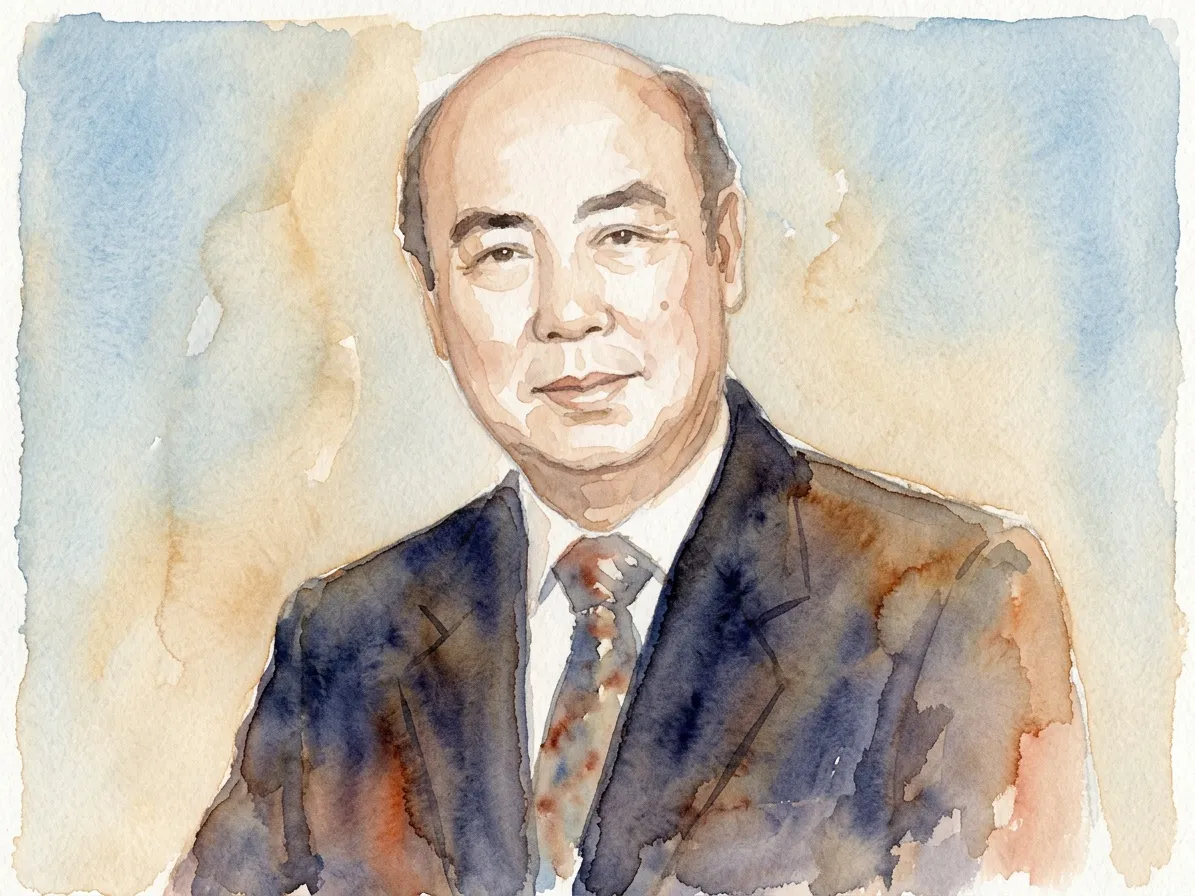
Sudono Salim — born Liem Sioe Liong — was a penniless Chinese immigrant from Fujian. Landed in colonial Java in 1936. No money. No education. Started trading peanut oil and cloves.
Then the war came.
When Indonesia fought for independence from the Dutch, Salim smuggled essential goods — soap, coffee, sugar, medical supplies — to the Republican army. The kind of work that gets you killed if you're caught.
During the revolution, he met a young army officer named Suharto.
That relationship would change everything.
When Suharto rose to power in 1967, Salim's wartime bond became a business empire. The Salim Group grew into Indonesia's largest conglomerate. $20 billion in assets. 500 subsidiaries. 200,000 employees.
But here's the thing that keeps coming back to me:
In 1972, Indonesia was struggling with food insecurity. Rice was expensive and scarce. Salim saw something most tycoons would've overlooked — instant noodles could feed a nation cheaply.
He founded Indofood. Launched Indomie Mi Goreng — designed to taste like the fried noodles on every street corner in Jakarta.
It worked. Not just commercially. Structurally. He was feeding 270 million people.
Then 1997 happened.
Asian Financial Crisis. The rupiah collapsed. Salim Group was sitting on $4.8 billion in debt. Jakarta erupted. Riots swept through the city, targeting ethnic Chinese businesses.
A mob burned down Sudono Salim's house.
The man who spent 25 years feeding the nation had to flee. First to Singapore. Then Los Angeles.
His son, Anthoni Salim, stayed behind. Warded off the mobs. Surrendered Bank Central Asia and stakes in dozens of companies to the government. Then rebuilt. Piece by piece.
Today, Indomie produces 19 billion packs a year. Over 100 countries. $7.3 billion in revenue. Named the most chosen instant noodle brand in the world in 2024.
Sudono Salim died in 2012 in Singapore. He was 96.
Here's what sits with me:
The man who fed a nation had his house burned down by that same nation. And tonight, in kitchens across Jakarta, people who don't know his name will boil water, tear open five seasoning packets, and eat the thing he made for them.
The people you feed won't always protect you.
Feed them anyway.
What's a brand that shaped your country's food culture — that most people couldn't name the founder of?
This is the LinkedIn edit — written to fit inside 3,000 characters.