77th Street / Elim Chew
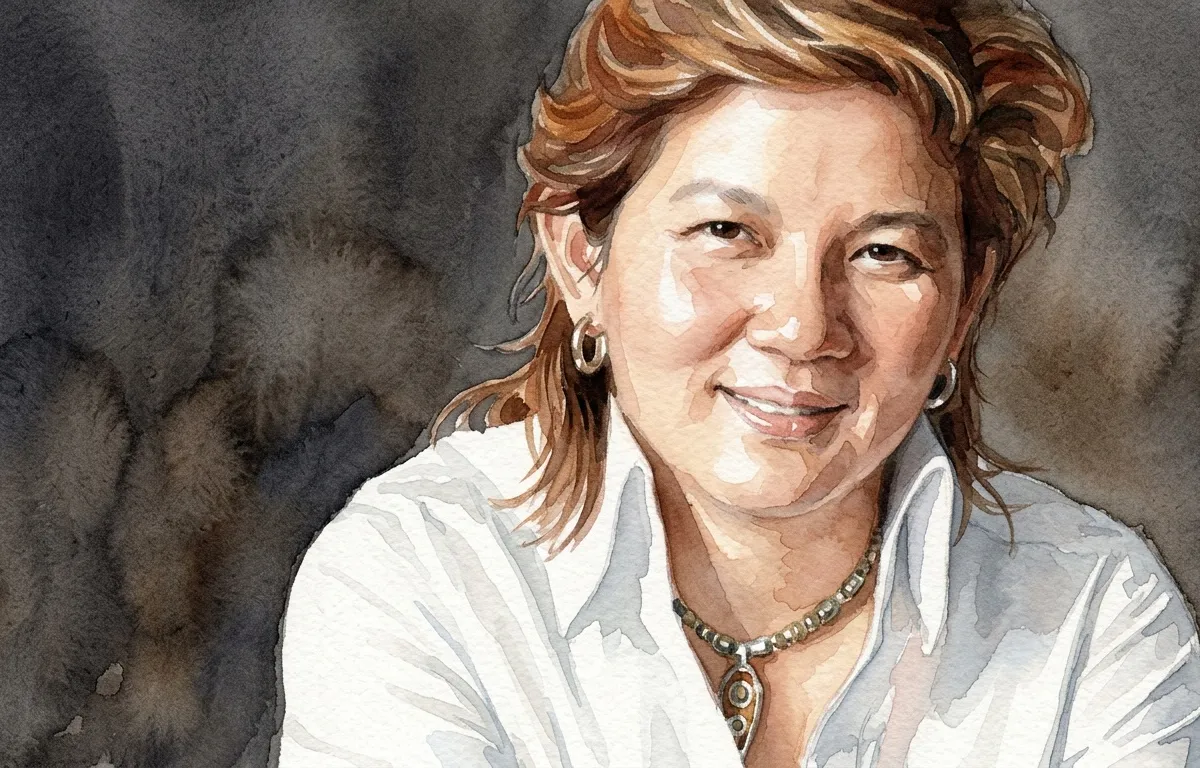
She sold clothes. But she was really in the business of belonging.
If you grew up in Singapore in the 90s or 2000s, you probably bought your first "cool" clothes at 77th Street.
The chains, the badges, the punk and rock gear you couldn't find anywhere else. Far East Plaza was the pilgrimage.
Here's what I didn't know until recently:
It started with a hairdresser and a single 180-square-foot shop.
Elim Chew was a rebellious teenager who got sent to London to train as a hairstylist — Vidal Sassoon, Toni & Guy. She came back, opened a one-woman salon at Far East Plaza, and her young clients kept asking about the London streetwear she wore.
So in 1988, at 22, she opened a tiny shop importing the stuff no one else in Singapore had. 77th Street was born.
But here's the part that makes it more than a retail story.
That first shop became a hangout. Not for the ideal paying customer — for the kids nobody else wanted. The delinquents. The ones written off at school. The misfits with nowhere else to be.
Most shopkeepers would shoo them away. Chew did the opposite. In her words: "Our first shop was more than just a retail store. It was like a community space — a hip shelter for youths."
She and her staff became, as she put it, "Agony Aunts and mentors" to them.
Think about that. The loitering teenagers every other store treated as a problem were exactly the community she leaned into. The clothes were just the doorway. What she was really selling was somewhere to belong.
77th Street grew to more than a dozen stores, a training centre, even a mall in Beijing. Rising rents eventually closed the last outlet in 2016 — the rent had gone from $9 a square foot to $35.
But here's the thing that stays with me.
You don't feel nostalgic about a shop. You feel nostalgic about where you belonged as a teenager. That's why a whole generation still lights up at the name.
Chew understood something most retailers never do: people don't stay loyal to products. They stay loyal to the place that made them feel like they mattered.
What's a place from your youth you still feel that way about?
This is the LinkedIn edit — written to fit inside 3,000 characters.