Marrybrown / Nancy Liew
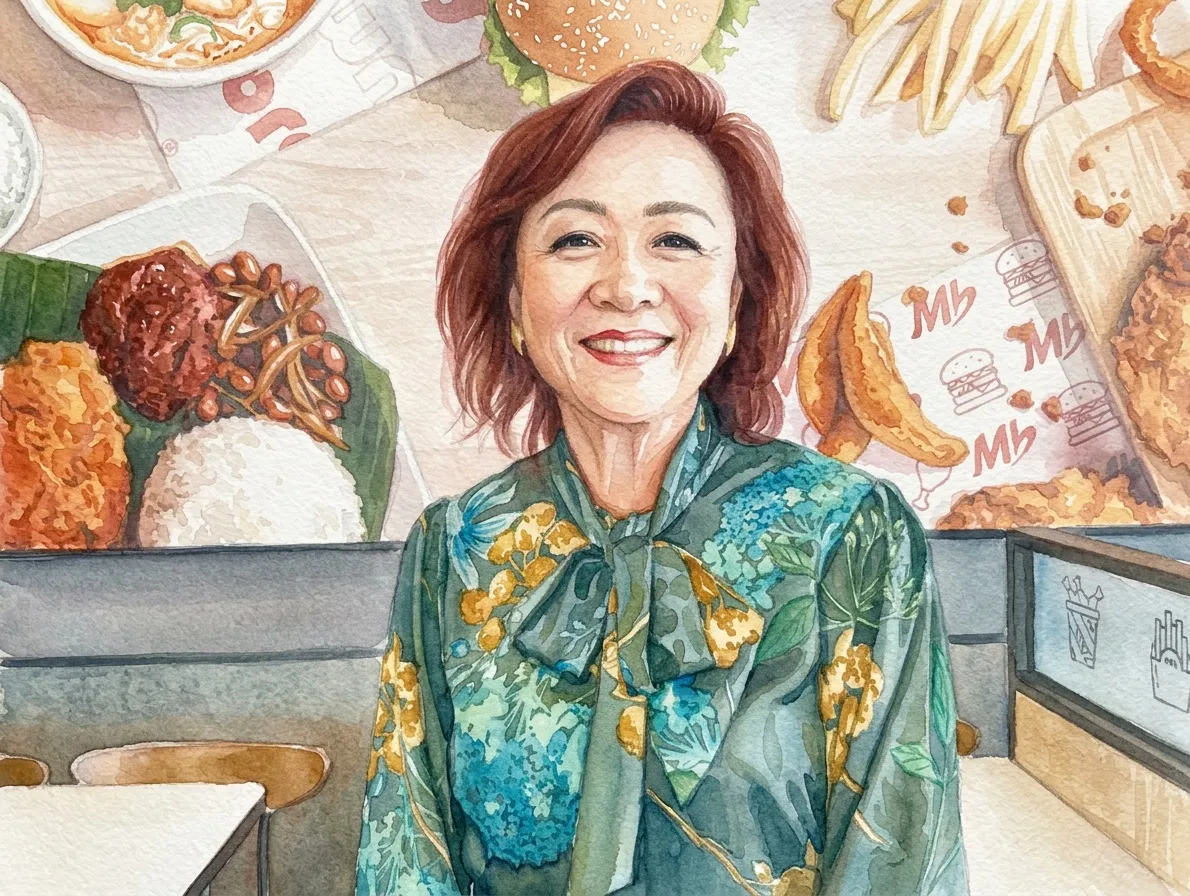
In 1981, a 25-year-old nurse walked into a Malaysian bank with a business plan.
She wanted to open a fast food restaurant.
The banker flipped through her proposal. Laughed.
"You can open a shop today and close tomorrow."
Loan denied.
No bank would touch her. Landlords refused to lease their spaces. Suppliers demanded cash on delivery.
Nancy Liew scraped together RM120,000 from her savings and borrowed from relatives.
She opened anyway.
Here's the thing most people don't know:
At the time, KFC was dominating Malaysia. Everyone assumed fast food meant American food.
Burgers. Fried chicken. Fries.
But Nancy asked a different question:
"Why can't fast food also serve rice?"
In 1986, she introduced Nasi Marrybrown — the first rice dish ever served in a Malaysian fast food chain.
People thought she was crazy. Rice in fast food? That's not how it works.
But Malaysians didn't want to choose between convenience and comfort food.
They wanted both.
That one menu decision changed everything.
Today, Marrybrown has 500+ outlets across 16 countries — from Sweden to Tanzania.
It's the world's largest halal fast food chain.
In 2020, the Malaysian government chose Marrybrown to represent the country at World Expo Dubai.
The same brand bankers laughed at in 1981.
Three lessons from the nurse who built a global fast food empire:
1. When everyone copies the leader, ask what's missing — Every competitor copied the American playbook. Nancy asked what Malaysians actually wanted to eat.
2. "No" from gatekeepers is just data — Banks, landlords, suppliers all said no. She found another way. The only "no" that matters is when customers don't show up.
3. Comfort food travels — Nasi Lemak is now served in Dubai, India, Sweden. Local flavors have global appeal when executed consistently.
The banker who rejected her loan?
He's probably eaten at Marrybrown.
Who else has been told their idea won't work?
This is the LinkedIn edit — written to fit inside 3,000 characters.