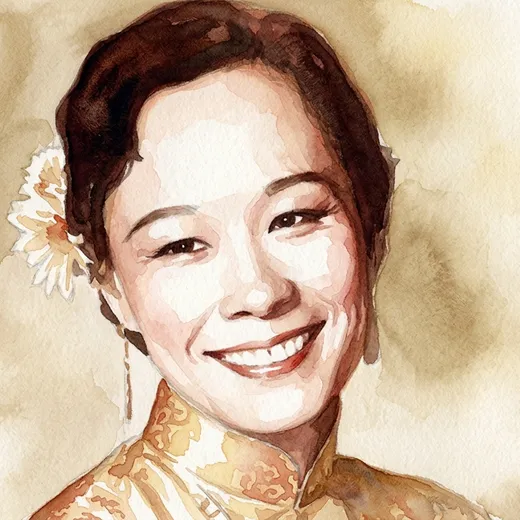
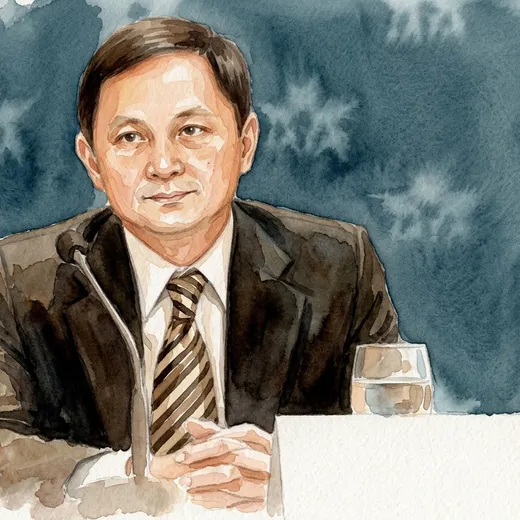
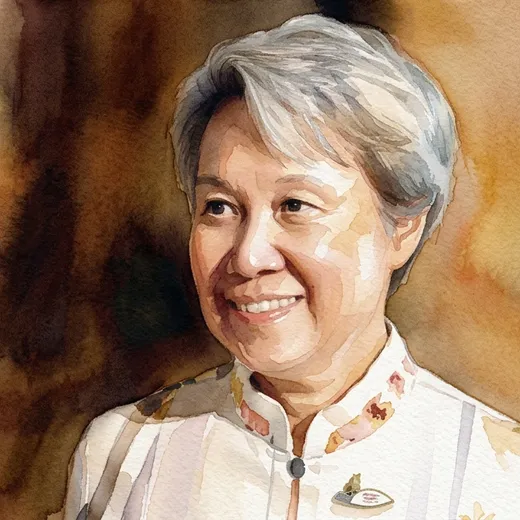
Albert Winsemius
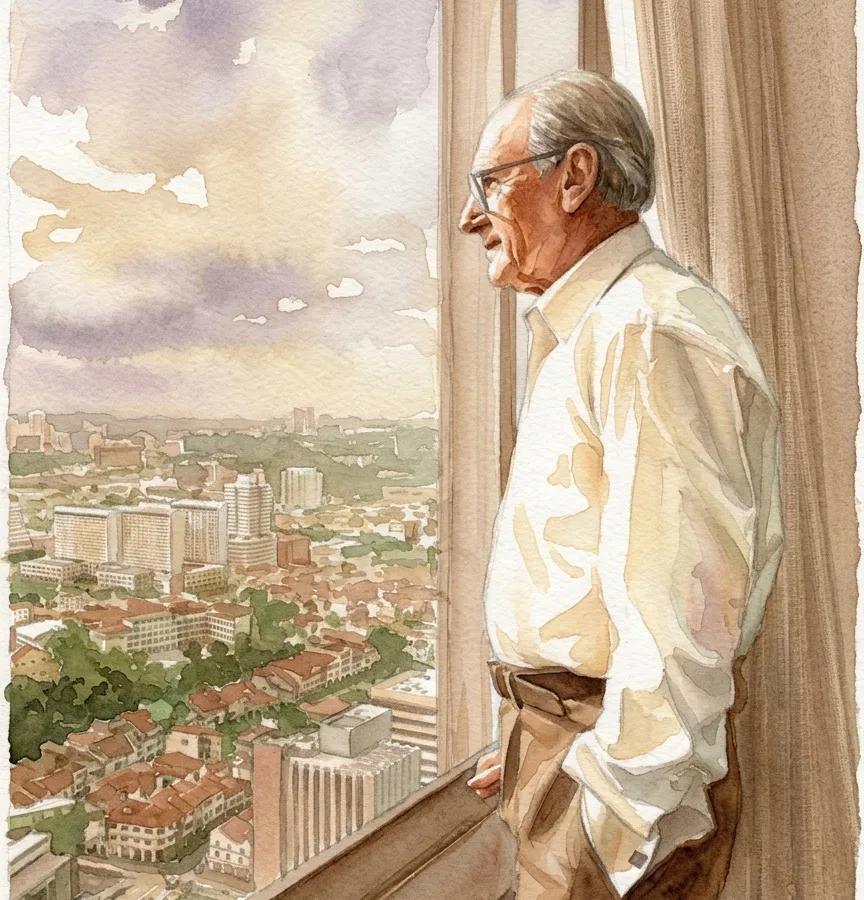
I used to run past the Raffles statue near the Singapore River on my evening runs. Never thought much about it. Just another colonial leftover, right?
Here's what I didn't know until recently:
That statue almost got torn down. And the reason it's still standing has nothing to do with history. It has everything to do with a Dutch cheese maker's son who understood something most politicians never will.
Albert Winsemius grew up in a cheese-making family in the Netherlands. Not exactly the origin story you'd expect for the man who architected Singapore's economy. He wanted to study economics but kept getting rejected — no math, no Latin. He eventually talked his way into the Netherlands School of Economics, attending classes on his 7 vacation days a year while working full-time.
In 1960, the UN sent him to Singapore. What he found was a mess. 30% unemployment. 153 strikes in a single year. A brand-new government that had just broken from Malaysia, with no natural resources, no hinterland, and no obvious reason for multinational companies to care.
He told Lee Kuan Yew he'd help on two conditions.
First: get rid of the communists. Fair enough. Standard Cold War advice.
Second: keep the Raffles statue.
Think about that for a second. Here's a newly independent, anti-colonial government. The statue of Stamford Raffles, the British colonizer, is standing right there by the river. Every instinct says tear it down. Every other newly independent nation was doing exactly that.
But Winsemius saw what others missed. He wasn't thinking about history or pride. He was thinking about Shell, Esso, and Philips. Those boardrooms in London and Amsterdam were watching. What does this new socialist government do with colonial symbols? Tear them down, and it signals ideology. Keep them standing, and it signals pragmatism. It signals: we're open for business.
Lee Kuan Yew kept the statue.
And Winsemius got to work. He didn't just write reports. He personally flew to Shell's headquarters and convinced them to build a refinery. He called Philips. He called Esso. He redirected an oil refinery from Sentosa to Jurong.
He served as Singapore's chief economic advisor for 24 years. Visited two or three times a year. Never moved here. Never took a cabinet position. When he died in 1996, Lee Kuan Yew said, "Singapore and I personally are indebted to him."
His reward? Albert Winsemius Lane. A nondescript side lane in Clementi that most Singaporeans have never heard of.
Here's the thing that keeps coming back to me. The most important economic decision in Singapore's history wasn't a policy. It wasn't a trade deal. It was keeping a statue standing. Because the man advising them understood that signals travel faster than speeches. What you keep matters as much as what you build.
What's a small signal you've seen that ended up meaning way more than anyone expected?
This is the LinkedIn edit — written to fit inside 3,000 characters.