Elizabeth Choy
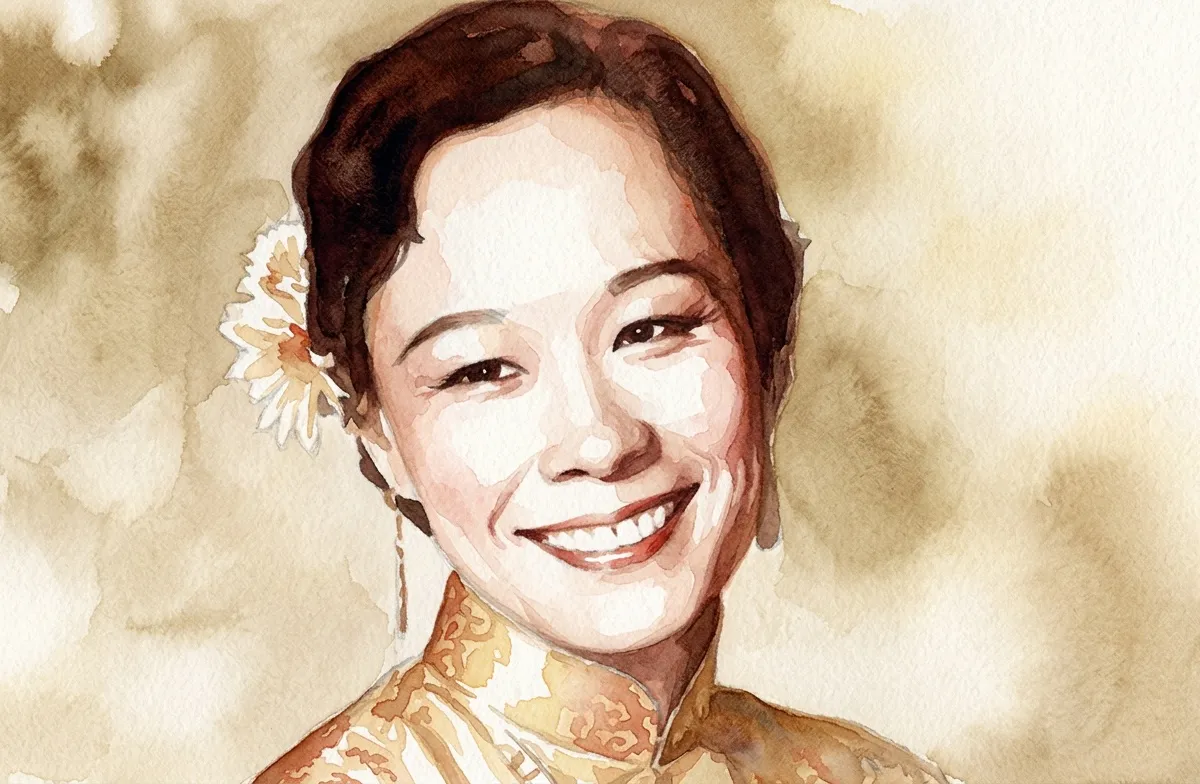
Singapore teaches every student about Lim Bo Seng. Almost nobody learns her name.
Every Singaporean student learns about Lim Bo Seng. The war hero. The marble memorial at Esplanade Park. The bronze lions.
Here's someone they don't learn about:
Elizabeth Choy smuggled food, medicine, and radio parts to British POWs in Changi Prison for 18 months during the Japanese Occupation. The penalty if caught was execution.
She was caught.
On 15 November 1943, the Kempeitai lured her to their headquarters on Stamford Road under the pretense of letting her see her husband. It was a trap.
They locked her in a cell with 20 men. One air vent. One filthy commode that doubled as their water source. Bugs infested their bodies. No talking allowed -- inmates developed sign language to communicate.
Then the torture started.
They tied her to a wooden frame, kneeling on firewood. Applied electric shocks to her body for 15 minutes at a time. Stripped her. Spat on her. Pumped her with water. On 9 December, they tortured her in front of her husband to try to break him.
193 days.
She never gave up a single name. Her own words: "I would not confess to something I knew was untrue. It would implicate others. Not even if it meant more physical abuse."
When they released her, she weighed 80 pounds.
Here's what happened after the war.
She became Singapore's first and only woman in the Legislative Council. She founded the Singapore School for the Blind. She taught for over 40 years. She was visiting schools to tell students about the war into her 90s.
At the war crimes trial, they offered her the chance to identify her torturers. She said: "I shall not forget but I shall forgive."
A sculptor in London was so moved by her story she made a bronze portrait and titled it "Flawless Crystal."
When Elizabeth Choy died in 2006 at 95, St Andrew's Cathedral held a wake on its premises for the first time in 150 years.
Lim Bo Seng has a marble memorial with bronze lions. A gazetted National Monument. His name in every textbook.
Elizabeth Choy has her prison clothes in a museum case.
The torture left her with a lifelong fear of electricity. She couldn't touch a light switch for the rest of her life. "Electricity brought me back to that horrible room of pain."
But she never stopped showing up. Never stopped teaching. Never stopped forgiving.
Sometimes the people who shaped a country the most are the ones it remembers the least.
Who's someone in your life whose contribution never got the recognition it deserved?
This is the LinkedIn edit — written to fit inside 3,000 characters.