Peter Lim
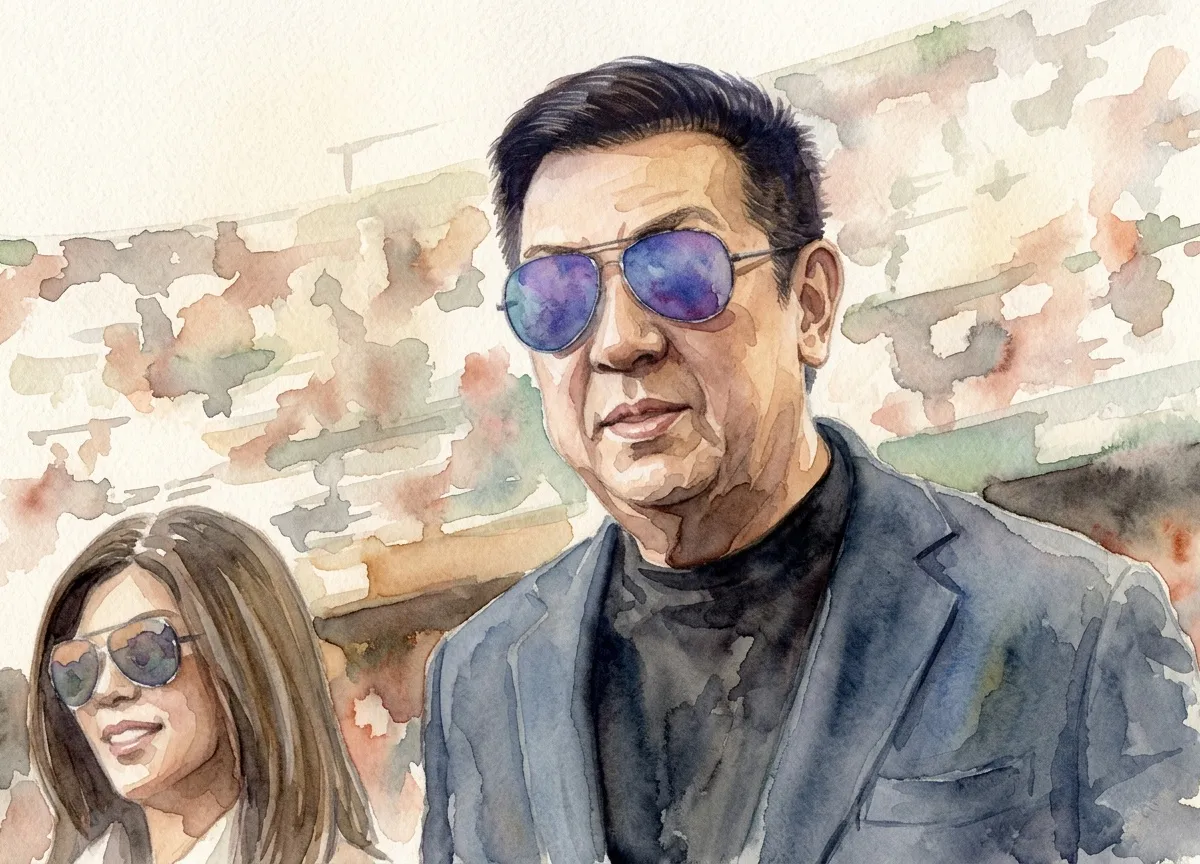
Being trapped is luck. What you do while trapped is the choice.
In 1991, Peter Lim put $10 million into a palm oil startup called Wilmar.
By 1997, he'd written it off completely.
The Indonesian rupiah crashed from 2,500 to 16,000 against the dollar. Suharto was ousted. Riots in the streets. The Asian Financial Crisis was tearing through the region.
His investment wasn't just losing money. It was trapped. No buyers. No liquidity. No way out.
Here's where most stories end: investor gets stuck, waits for any exit, eventually escapes at a loss, learns a lesson, moves on.
Peter Lim did the opposite.
In 2000 — three years after writing off the investment — he restructured his stake. Put in another $10 million.
Think about that. The position was dead. He'd already mentally buried it. And instead of waiting for any door to open, he doubled down.
Then he went further.
He partnered with Solomon Smith Barney and flew to India, China, and Indonesia to raise new equity and reduce Wilmar's debt.
The roadshow failed. No one wanted in.
He stayed anyway. Kept building.
For six years, nothing happened.
Then in 2006, the FDA mandated trans fat labeling. Food manufacturers scrambled for alternatives. Palm oil demand exploded. Wilmar did a reverse takeover.
In 2007, Robert Kuok — one of Asia's richest men — injected his Malaysian palm oil operations into the company.
In 2010, Peter Lim cashed out.
$10 million in. $1.5 billion out.
His partner called him afterward: "How the hell did we make so much money?"
Here's what people miss about this story.
Plenty of investors got trapped in the 1997 crisis. That wasn't unique. That was circumstance.
What was unique: most trapped investors wait to escape. They count the days until they can cut losses and move on.
Peter Lim looked at a dead investment and asked a different question: what would it take to make this work?
Then he spent a decade answering it.
He has this quote I keep thinking about: "You may not have a lot of money, but you have a lot of time."
The $1.5 billion didn't come from predicting the FDA ruling. He didn't know Robert Kuok would show up. He didn't time the commodity peak.
It came from being the only one still building when the market finally turned.
The son of a fishmonger from Bukit Ho Swee — one of Singapore's roughest public housing estates — didn't become a billionaire by escaping his traps faster than anyone else.
He became one by refusing to treat them as traps at all.
This is the LinkedIn edit — written to fit inside 3,000 characters.