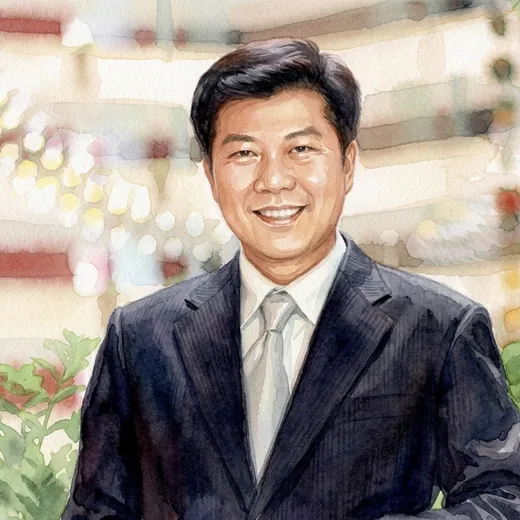
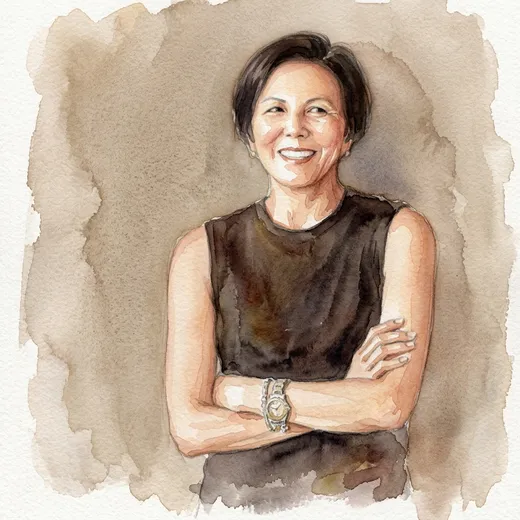
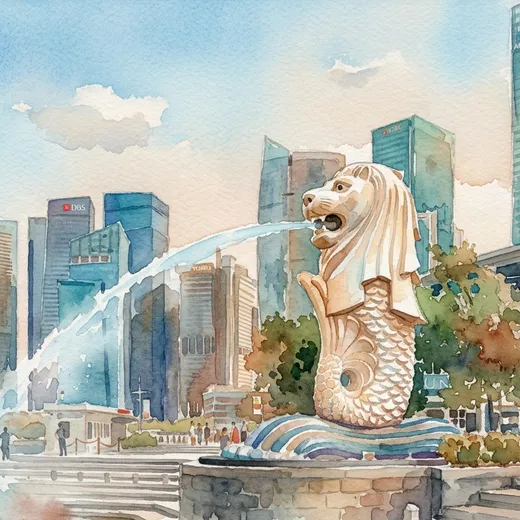
Cikgu Asfiah Abdullah
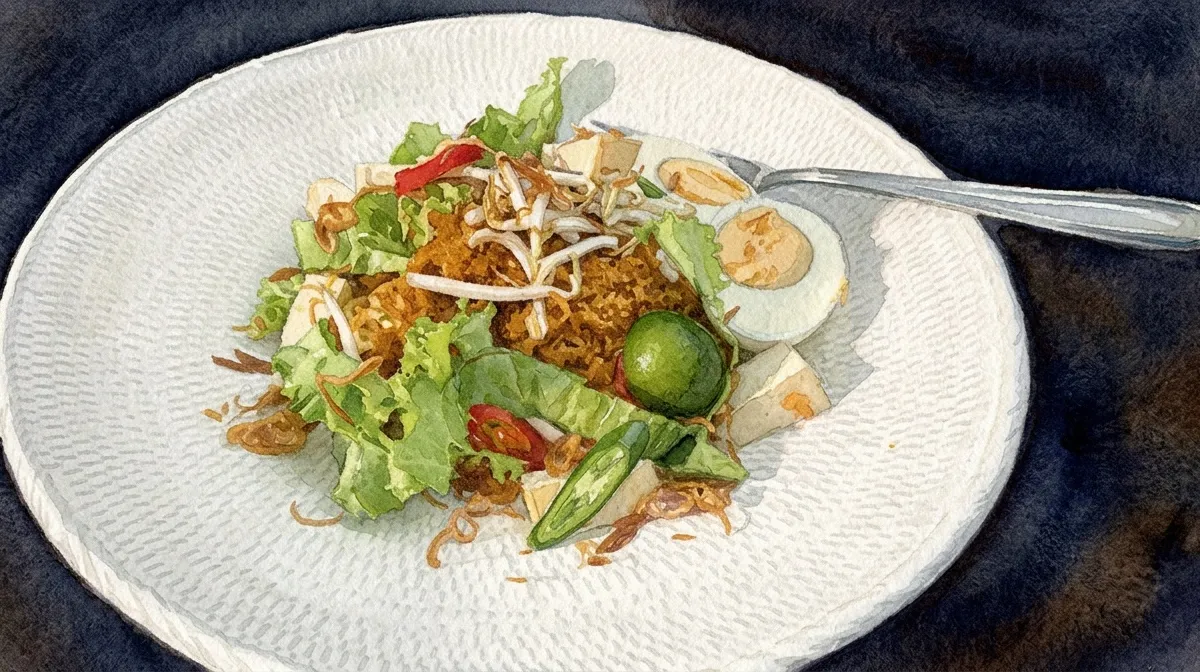
If Cikgu Asfiah hadn't documented this dish, I wouldn't have known. My mum has forgotten.
I've been to Kampong Gelam dozens of times. Bussorah Street, Sultan Mosque, the stalls. Never once thought about who kept those recipes alive.
Here's what I didn't know until recently:
A woman named Asfiah Abdullah lived on that street her entire life. Started learning kuih from her mother at six, helping at a Ramadan food stall behind Sultan Mosque. Fifty types of kueh. Crushing spices and folding dough before she could read properly.
At ten, she became a teacher at Rochore Malay Girls' School. Students barely a year younger than her. Most of us were still figuring out recess.
Then she became a mak andam -- a traditional Malay wedding attendant. Twenty years, more than a thousand brides. Every ceremony, every ritual. And the food -- wedding dishes that ordinary home cooks never learned. Recipes that lived in the hands of the women who made them and nowhere else.
Here's the thing that keeps coming back to me:
She spent 59 years absorbing all of this. Cooking from six. Teaching from ten. A thousand weddings. Then at 65, she published one book. Hidangan Warisan Kita -- Our Heritage Dishes. 178 recipes. She insisted on hardcover so it would last.
A year later, she died at home on Bussorah Street. Same street where she'd been making kuih since 1926. One book. One year to spare.
And here's what makes it hit different:
The cover photo was bunga kobis -- a six-layered deep-fried meat pastry that was THE centrepiece of Malay wedding hantaran. Every wedding had one. Today it's completely extinct. Nobody makes it.
NLB researcher Toffa Abdul Wahed said something that stopped me cold: "If Cikgu Asfiah hadn't documented this dish, I wouldn't have known. My mum has forgotten that bunga kobis was one of the hantaran."
Her own mother forgot the dish existed. Without one woman's hardcover book, bunga kobis would have disappeared as if it never happened. Another recipe -- mee maidin, a krill ragu noodle dish from 34 Bussorah Street -- is commercially extinct. It only survives in some homes because she wrote it down.
We talk a lot about building the future. But sometimes the most radical thing you can do isn't creating something new. It's saving something old before the last person who remembers it is gone.
Asfiah wasn't an innovator. She was an archivist disguised as a cookbook writer. And she finished the job with one year to spare.
What's a dish from your childhood that you're realizing nobody makes anymore?
This is the LinkedIn edit — written to fit inside 3,000 characters.